Roads, water tanks and solar lights are visible outcomes. The village committees that decide where they go, and who maintains them, are the real infrastructure.
Village development is often described in terms of assets created. A road laid, a tank installed, a light switched on. What rarely gets recorded is the process that decided where those assets should go — and who would keep them working after the project closed.
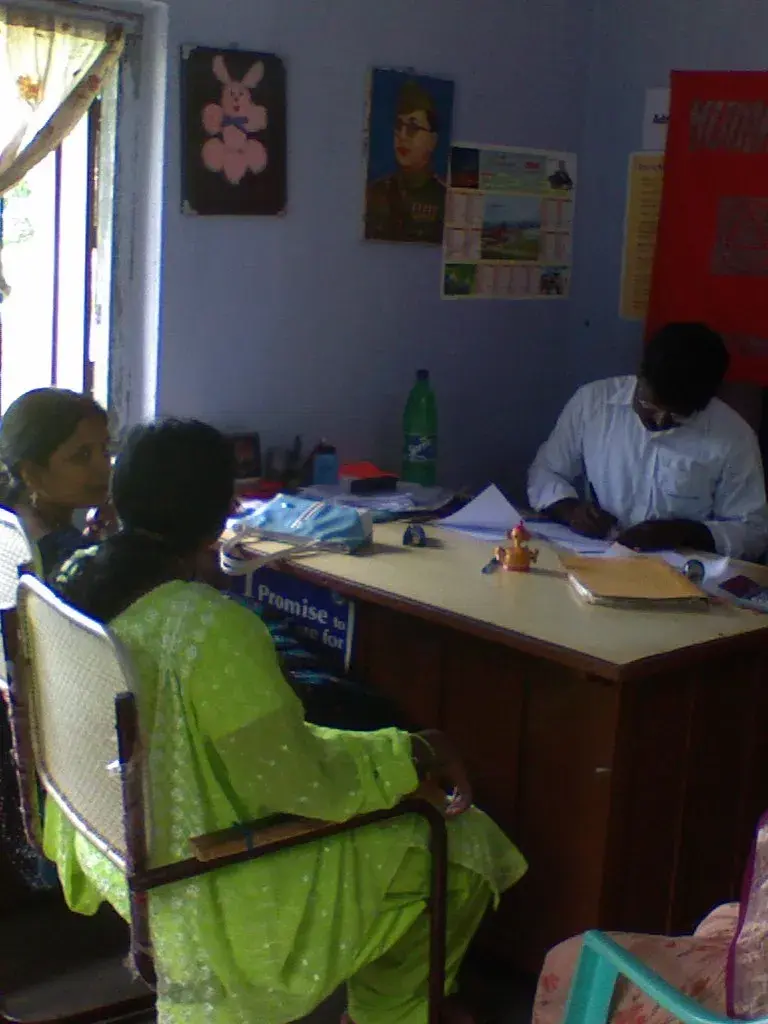
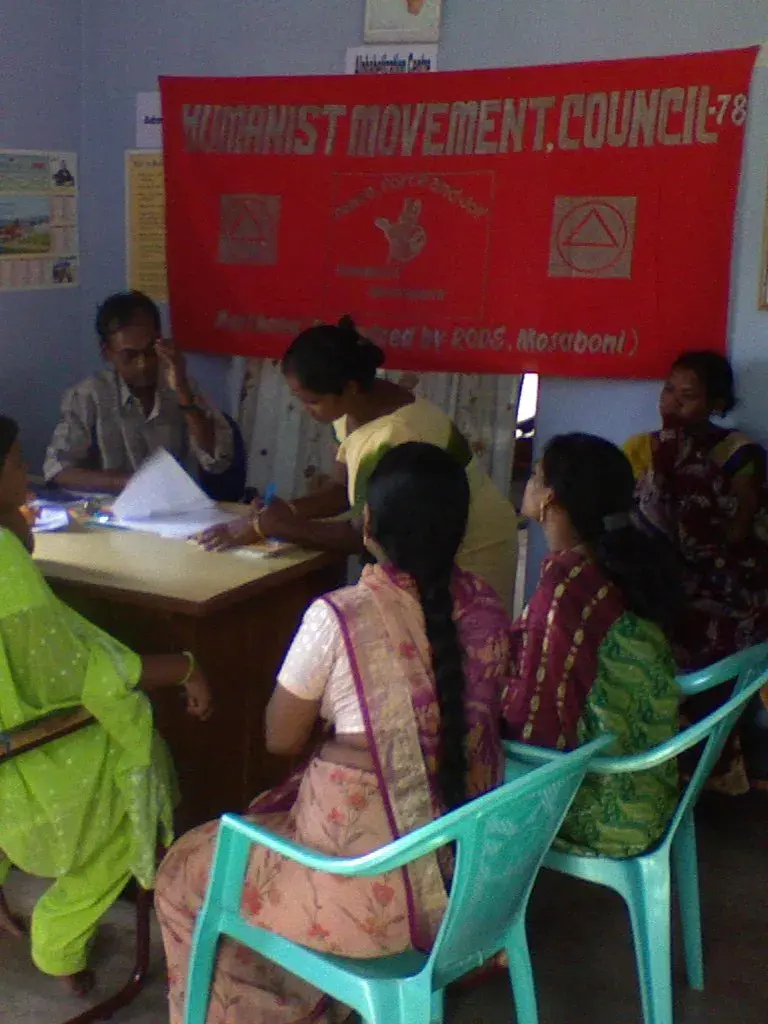
Under the Dr. Bhimrao Ambedkar Unnat Gram Yojana in Khilkanali village, Govindpur Block, that process came first. Community consultations shaped the plan before construction began.
- 500 feet of PCC road improving year-round connectivity
- 21 solar street lights improving night-time safety and access to clean energy
- Two HYDT overhead water tanks of 4,000 litres each for safe drinking water
Why ownership matters
The time women spend collecting water is one of the quietest costs of rural poverty. A reliable tank in the right location returns hours to a household every single day. But a tank without a village committee to maintain it becomes a broken tank within two seasons.
This is the Gandhian idea of Swaraj applied to infrastructure: communities as owners rather than recipients. RODS works with Panchayati Raj Institutions, government departments and community-based organisations so that maintenance, monitoring and future planning stay in local hands.
It is slower than building alone. It is also the only version of development that is still standing when we return five years later.